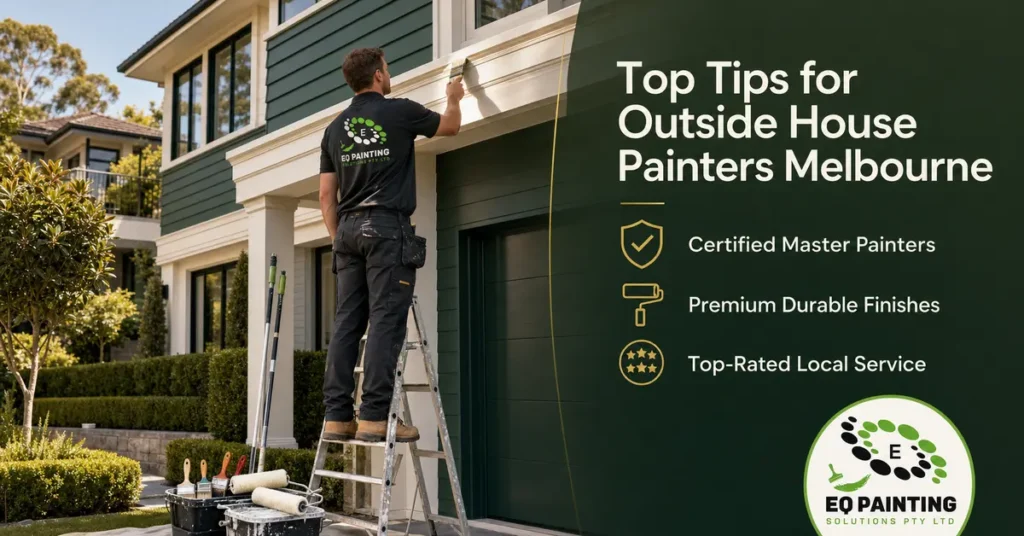
One common situation we see with outside house painters in Melbourne starts the same way. A homeowner calls because the front of the house looks tired, the colour feels dated, and a few peeling patches have started showing up around the weatherboards, eaves, or window trim. Once we get on site, the issue is usually bigger than colour alone. We often find chalky old paint, hairline cracks, sun-worn timber, and areas where moisture has quietly started doing damage.
After 15 years of painting homes across Melbourne, we know a good exterior repaint is not just about making a house look fresher. It is about preparation, choosing the right products, and making sure the finish suits the home, the surface, and the local weather. This guide walks you through what outside house painters actually do, what affects the final result, and how to make smarter decisions before you spend money on paint or labour.
The Importance of Curb Appeal
Curb appeal matters because the outside of your home is the first thing people notice. It shapes how the whole property feels from the street and can influence how well-maintained the home appears to visitors, neighbours, or potential buyers.
A fresh exterior repaint is one of the simplest ways to lift that first impression. The right colour scheme can make an older façade feel cleaner, brighter, and more current, while also helping key features stand out instead of blending into the background.
We commonly see homes in Melbourne where the structure is solid, but faded paint makes the whole property look more tired than it really is. In those cases, a proper repaint can completely change the way the house presents without changing anything structural.
Choosing the Right Paint for Your Home
Choosing the right paint matters because exterior surfaces deal with sun, rain, wind, dust, and temperature swings. Melbourne weather can shift quickly, so the paint system needs to do more than look good on day one.
Paint Type
For most exterior house painting jobs, water-based acrylic systems are the standard choice because they are easier to work with, dry well, and hold colour nicely over time. On some trims, metal sections, or specialty surfaces, a different product may be the better fit depending on what is already there and how the surface is used.
We often use trusted brands like Dulux, Haymes, and Taubmans because product consistency matters on site. Cheap paint can look acceptable for a short period, but the difference usually shows up later in coverage, washability, and how the finish handles Melbourne’s UV and moisture changes.
Colour Selection
Colour changes more than appearance. Lighter shades can make a home feel cleaner and more open, while deeper tones can add contrast and highlight architectural lines. The right choice should suit the style of the house, the surrounding streetscape, and how much heat the exterior receives.
One thing we tell clients is this: a colour you like on a small swatch can look completely different across a full front wall. Testing sample areas first is always worth it.
Finish Selection
Finish matters as much as colour. Lower-sheen finishes can hide minor surface flaws better, while satin or semi-gloss options are often better for trim, doors, and areas that need a bit more durability and easier cleaning.
If the surface is already uneven, a very glossy finish can make defects stand out. That is something many homeowners do not realise until the paint dries.
What’s Really Involved in Exterior Painting?
A proper exterior repaint involves far more than rolling colour over old paint. The finish only performs well if the surface underneath is clean, stable, dry, and properly prepared.
- Old flaking paint needs to be removed, otherwise the new coating only sticks to a failing layer.
- Moisture damage around joints, eaves, or timber trims can cause future peeling if it is not fixed first.
- Cracks and gaps need the right filler or exterior caulk so water cannot work its way behind the paint film.
- Dust, mould, chalkiness, and grime all reduce adhesion, which is why washing matters.
- Some surfaces need a dedicated primer, especially bare timber, repaired spots, or patched areas.
- Different materials on one home often need different preparation methods, including timber, render, metal, and masonry.
In 15 years of painting, one of the most common surprises we see is homeowners blaming the paint itself when the real issue was poor prep from a previous job. A nice topcoat cannot compensate for a weak base.
Signs You Might Not Need a Full Repaint
Signs it’s probably a quick DIY touch-up
- A small isolated mark or scuff is limited to one low-risk area and the existing paint is still firmly bonded.
- The colour is still in good shape overall, but one section near a doorway or low wall needs a minor refresh.
- A typical example is a front timber post with one weathered patch while the rest of the home still looks sound.
Signs you probably need a professional painter
- Peeling is showing up in multiple areas, especially around joins, trims, weatherboards, or sun-exposed walls.
- You can see cracking, bubbling, chalky residue, or signs of damp beneath the surface.
- The house has height, access issues, or older coatings that may need more careful handling.
- One common job we attend starts as “just a few bad patches” and turns out to be a widespread prep problem across the front and sides of the house.
Essential Tools and Supplies for Exterior Painting
If you are handling minor exterior painting work yourself, the right tools make a big difference. Good brushes, quality roller covers, painter’s tape, drop sheets, sandpaper, exterior filler, caulk, primer, and the correct ladder setup all matter.
For larger jobs, professional outside house painters also rely on pressure washing equipment, extension systems, safety gear, and product-specific application tools. We see plenty of DIY jobs where the biggest issue was not effort, but the wrong setup from the start.
Preparing Your Home for Painting
Preparation is the part that decides whether the finish holds up well or starts failing early. If the surface is dirty, dusty, damp, or unstable, the paint job is already compromised before the first topcoat goes on.
- Wash the exterior to remove dirt, mould, cobwebs, chalky residue, and loose material.
- Let the surface dry fully before moving to repairs or priming.
- Inspect for cracks, rotten timber, failed caulking, or damaged boards.
- Scrape and sand any peeling or rough areas so the new work ties in properly.
- Fill gaps and patch defects using exterior-grade products suited to the surface.
- Prime bare areas, repairs, and any spots where adhesion may be an issue.
Do not paint over damp patches, dusty walls, or loose flakes just to save time. That shortcut usually becomes the reason the finish fails.
If you are unsure, get a free quote before buying any paint.
For larger repaint projects, our exterior painting service in Melbourne is the easiest way to get clear advice on prep, product choice, and the right finish for your home.
Step-by-Step Guide to Painting Your Home’s Exterior
Step 1: Start with trims and detailed areas
We usually start with trims, edges, windows, doors, and tighter sections that need brush control. Getting these right first helps the larger wall areas look cleaner once rolled out.
Step 2: Paint from top to bottom
Work from the highest sections down so any minor drips can be levelled as you go. This helps keep the finish neater and reduces streaking on walls below.
Step 3: Apply even coats
Do not overload the brush or roller. Two properly applied coats usually give a far better result than one heavy coat that dries unevenly.
Step 4: Watch the weather
Exterior painting should be done in suitable conditions. Wind, direct heat, cold mornings, or incoming rain can all affect drying and final appearance.
Step 5: Inspect and touch up
Once the paint has dried, inspect the home in natural light. Small misses around trim edges, joins, and corners are easier to correct straight away than weeks later.
What We Commonly See at EQ Painting Solutions
We commonly see homeowners focus on colour first, when the real issue is surface breakdown. The front wall might look like it just needs a modern repaint, but once we test it, we find powdery old paint and minor moisture entry around gaps that were never sealed properly. That changes the job from a simple refresh to a proper restoration of the surface.
Another mistake customers make before calling us is using a cheap paint-and-primer-in-one product over unstable areas. It sounds convenient, but if the surface is chalky or partly flaking, that shortcut rarely holds up well. The twist is that the finish might look clean for a few weeks, then start lifting once weather hits it.
We also see people skip primer because the wall already “has paint on it.” In practice, repaired patches, bare timber, filler spots, and weathered sections often absorb paint differently. That is why patchiness, flashing, and uneven sheen show up after the job is done.
One painter detail that only really becomes obvious after years on site is how often sun exposure changes the condition of different elevations on the same home. The front may still look decent while the western side has already lost integrity. Customers often assume the house is wearing evenly, but that is rarely what we find.
Tips for Hiring Professional Outside House Painters
If you are comparing painters, look past the headline price. A proper quote should explain preparation, repairs, paint systems, number of coats, and what is included around trims, doors, and clean-up.
- Ask whether surface prep is included or treated as extra work.
- Check that the painter is insured and experienced in exterior residential work.
- Look at previous projects and read reviews carefully.
- Ask what paint brands and finishes they recommend for Melbourne conditions.
- Make sure the scope is clear so there are no surprises once work starts.
If you are also comparing indoor and outdoor work, our interior painting services can help if you want the whole property refreshed with a consistent finish.
Why DIY Exterior Painting Can Be Risky
DIY exterior painting can work for very small touch-ups, but full repaints come with real risks. Uneven coverage, visible lap marks, poor ladder safety, wrong product choice, and underestimating prep are the problems we see most often.
Another issue is wasted money. Homeowners sometimes buy multiple tins trying to fix a finish that was never going to perform because the surface was not properly cleaned, sealed, or primed first.
The savings rarely outweigh the cost of redoing a job that was not prepped properly.
What Affects the Cost?
The final cost of exterior painting depends on the condition and complexity of the job rather than colour alone.
- How much scraping, sanding, filling, and repair work is required before painting.
- The size of the house and how easy it is to access all elevations safely.
- The number of coats needed for proper coverage and durability.
- The type of surfaces involved, including timber, render, brick, metal, or previously painted areas.
- The paint brand, product quality, and finish selected.
- Extra items like fences, decks, pergolas, doors, or trim-heavy detailing.
Every job is different, so the only accurate way to know your cost is a free on-site quote. Final cost depends on surface condition, prep required and number of coats.
Maintaining Your Home’s Exterior After Painting
Good maintenance helps the finish stay cleaner and hold up longer. It also gives you a better chance of catching small issues before they turn into larger repairs.
- Wash down dusty or dirty sections gently, especially near the base of the home and under eaves.
- Inspect caulking and joins once or twice a year so water cannot sneak in behind the paint film.
- Touch up damaged spots early before moisture reaches bare material underneath.
- Keep gutters clear so overflow does not stain or damage freshly painted walls.
- Trim shrubs and branches back from the home to reduce rubbing, trapped moisture, and mould growth.
- Watch southern and shaded sides for mildew, especially during wetter periods in Melbourne.
- Do not ignore small hairline cracks around trims, because they often become water-entry points before they become obvious paint problems.
That last one is easy to miss. Over the years, we have found that tiny open joints often do more damage than the larger cosmetic flaws people notice first.
Seasonal Considerations for Exterior Painting
Spring and autumn are usually the most comfortable times for exterior painting in Melbourne because temperatures are milder and surfaces tend to cure more evenly. Even then, timing still matters because Melbourne weather can change quickly across a single week.
Summer can work well, but very hot surfaces and direct sun can make paint dry too fast. Winter is generally less suitable for bigger exterior jobs, especially when cold mornings, damp conditions, and slow drying start affecting adhesion and finish quality.
Why Choose EQ Painting Solutions
At EQ Painting Solutions, we bring 15 years of hands-on painting experience to each project. That means we look beyond colour and focus on what the surface actually needs before we recommend a system.
We take a quote-first approach because clear advice matters. You get honest communication, realistic recommendations, and a proper look at the condition of the job before work begins.
Quality paint systems and practical finish options help us deliver results that suit Melbourne homes and changing local conditions. Whether you are in South Yarra, Richmond, St Kilda, Hawthorn, Port Melbourne, or Brighton, each exterior gets the same care in preparation and finish.
Tidy workmanship, proper protection, and a professional result all matter to us. Give us a call or book online to get a free, no-obligation on-site quote today.
Related Articles
If you are researching repainting work around your property, these services may also help:
- Exterior house painting services in Melbourne
- Interior house painting for a complete home refresh
- Professional House Painters in Fitzroy
- Professional House Painters in Middle park
- House Painters in Port Melbourne
- Professional House Painters in Richmond
Book a Free Quote
A well-painted exterior makes a real difference to how your home looks and how well it stands up to Melbourne conditions. If you are weighing up colours, prep needs, or whether the house needs a full repaint, EQ Painting Solutions can help.
EQ Painting Solutions | 0498200654 | https://eqpaintingsolutions.com.au/
FAQ
Most exterior house painting jobs take anywhere from a few days to over a week, depending on size, prep, weather, and access. Homes that need heavy scraping, repairs, or multiple coats will naturally take longer.
The main cost factors are surface condition, prep work, access, size of the home, number of coats, and paint quality. The only accurate way to price it properly is with a free on-site quote.
Most homes need two topcoats for a consistent and durable finish, especially when colours are changing or the old surface is worn. Some repaired or bare sections also need primer before those coats go on.
DIY can be fine for small touch-ups, but larger repaints are easy to get wrong if prep, product choice, or safety is overlooked. We often fix jobs where the paint itself was not the real problem, but the preparation underneath it.
Many professional painters use brands like Dulux, Haymes, and Taubmans for exterior work. The right product still depends on the surface type, exposure, and the condition of the existing coating.
Comments are closed.