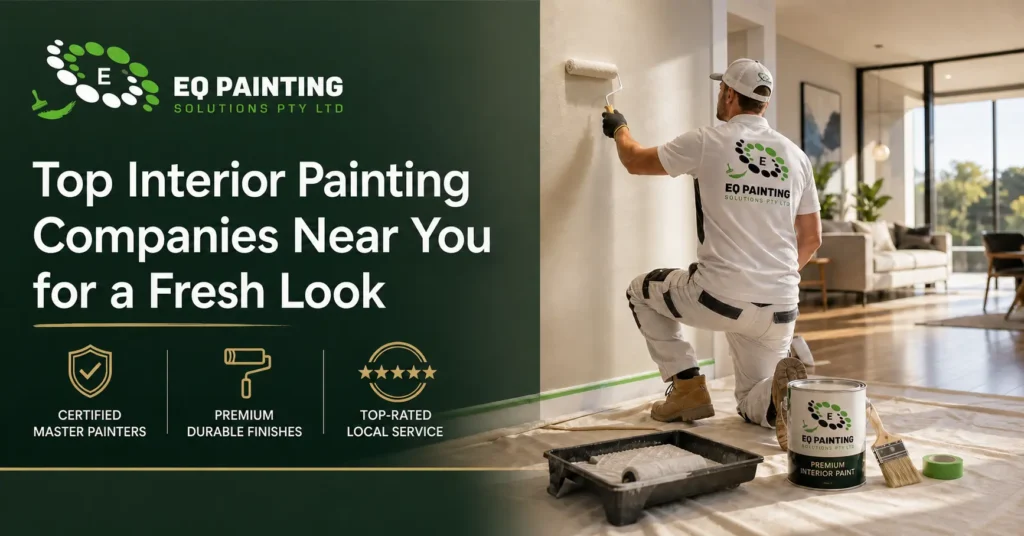
We commonly see this situation: a homeowner in South Yarra calls us after getting three quotes from different interior painting companies near me searches on Google. They’re not sure who to trust, the prices are all over the place, and nobody has actually looked at the walls yet. We arrived on site to find old oil-based paint under two layers of latex — a combination that almost guarantees adhesion failure if you skip the right primer. The client had no idea. The previous painter they hired didn’t mention it either.
After 15 years of painting homes across Melbourne, we’ve learned that the difference between a finish that holds up and one that starts peeling within a year almost always comes down to what happens before a single drop of paint hits the wall. This guide will help you understand what to look for when choosing an interior painter, what the process actually involves, and what questions to ask before you sign anything.
What Really Affects the Quality of an Interior Paint Job?
Most people assume the paint brand is what separates a great result from a disappointing one. In reality, the preparation work matters far more than the tin on the shelf.
Here are the factors that actually determine the outcome of an interior painting job:
- Surface condition: Walls with old flaking paint, hairline cracks, or moisture staining need to be treated before any topcoat goes on. Painting over these issues just buries the problem.
- Primer selection: Not all primers are the same. An oil-based undercoat behaves completely differently from a water-based one. Using the wrong type — or skipping primer entirely — is one of the most common reasons we’re called back to fix someone else’s work.
- Paint sheen and finish: Flat paint hides imperfections but marks easily. Satin and semi-gloss are more washable but less forgiving on uneven walls. A professional will help you match the finish to the room’s function.
- Number of coats: One coat almost never gives you full, even coverage. Two properly applied coats with adequate drying time between them is the standard for a quality result.
- Room conditions: Painting in a humid or poorly ventilated space causes slow drying, poor adhesion, and surface issues that show up weeks later.
- Painter experience: Cut lines around cornices, window frames, and architraves take a steady hand and years of practice. This is where a rushed or inexperienced job becomes obvious.
In 15 years of painting Melbourne homes, the most overlooked factor we see is moisture. A wall can look perfectly fine and still have damp behind it — especially in older Fitzroy and Brunswick terraces with minimal cavity ventilation.
Signs You May (or May Not) Need a Professional Painter
Signs It’s Probably a Quick DIY Touch-Up
- A small scuff or mark on a wall that was painted within the last two years, using the same paint colour you still have in the shed
- A single nail hole in a room with no humidity issues and walls in good overall condition
- A feature wall repaint in a low-traffic room where the existing surface is clean and sound
Signs You Probably Need a Professional Painter
- Peeling or bubbling paint, especially in bathrooms or near windows — this usually points to moisture or adhesion failure that needs proper treatment first
- You’re repainting over a dark colour or a previously oil-based surface — getting even coverage without specialist priming knowledge is difficult
- Multiple rooms, high ceilings, or a whole-house repaint where incorrect prep in one area will affect everything downstream
- You’ve already tried once and the finish is uneven, streaky, or starting to show brush marks — redoing a job that wasn’t prepped properly costs more than doing it right the first time
How the Interior Painting Process Works: Step by Step
Understanding the process helps you evaluate whether interior painting contractors are cutting corners before they even start.
- Step 1 — Free on-site quote: Any reputable interior painting contractor should assess your walls in person before quoting. A quote based on a phone call or a photo is rarely accurate.
- Step 2 — Surface assessment: We check for moisture, existing paint type, cracks, and any areas needing repair before we price the job. This is where most of the cost variables are identified.
- Step 3 — Furniture and floor protection: Drop sheets, plastic covers, and masking tape go on before a single tin is opened. Protecting your home is not optional — it’s part of the job.
- Step 4 — Surface preparation: Cleaning walls, filling cracks, sanding rough areas, and applying the correct primer. Do not skip this step. Painting over a dusty or damp surface is the single most common cause of early paint failure we see across Melbourne.
- Step 5 — First coat application: Applied consistently, with proper cut lines at edges. Drying time varies depending on paint type and room temperature — rushing this step causes visible lap marks.
- Step 6 — Light sand and second coat: A light sand between coats improves adhesion and smooths any minor texture. The second coat is where the finish really comes together.
- Step 7 — Final inspection and clean-up: We do a walk-through with you before we pack up. Any touch-ups are done on the spot, not scheduled for a return visit weeks later.
If you’re unsure about the condition of your walls before starting, get a free quote from EQ Painting Solutions before buying any paint or committing to a product.
What We Commonly See at EQ Painting Solutions
One pattern we see regularly across Melbourne’s older suburbs — particularly in Hawthorn, Prahran, and Toorak — is homeowners who’ve had a painter through recently but are already unhappy with the result. When we look closely, the issue is almost always preparation. The walls were painted straight over the old surface without any sanding, priming, or crack repair. It looked fine for the first few months, then started showing hairline cracks and uneven sheen as the seasons changed.
Why Premium Paint Can’t Fix Poor Prep
Another common situation involves customers who’ve bought premium paint expecting it to do the heavy lifting. We see this regularly: a high-end product applied over an unprepared surface produces a worse result than a mid-range paint applied correctly. The paint can only perform as well as the surface underneath allows it to.
One thing that surprises clients is how much wall colour affects the number of coats needed. Covering a deep charcoal or heritage red with a light neutral can take three to four coats without the right primer underneath — something a lot of one-quote-fits-all operators don’t flag upfront. We always identify this at the quoting stage so there are no surprises on the invoice.
The True Cost of Rushed Rental Repaints
We’ve also noticed that customers who’ve attempted a DIY repaint in a rental or investment property often underestimate the time involved in proper masking and edge work. The walls look patchy, the cut lines are uneven, and the landlord or property manager rejects the finish. The cost of fixing someone else’s — or their own — rushed job is almost always higher than hiring a professional from the start.
Why DIY Interior Painting Carries Real Risks
There’s nothing wrong with a small DIY paint job if the conditions are right. But for most whole-room or multi-room interiors, the risks are worth understanding honestly before you commit.
- Uneven finish and visible roller lines: Achieving a smooth, consistent coat requires the right technique, the right nap roller, and an understanding of how wet-edge painting works. Without it, lap marks and streaks show up once the paint dries.
- Wrong paint type for the surface: Using a standard wall paint on a previously oil-based surface, or a flat finish in a high-moisture area, leads to early failure regardless of application quality.
- Drips on woodwork and skirting boards: Cut lines around architraves, cornices, and window frames are where the finish either looks professional or doesn’t. This takes consistent practice.
- Safety on ladders: High ceilings in older Melbourne homes — common in Essendon, Glen Iris, and Malvern — require stable, correct ladder or scaffold setups. Falls from height are a genuine risk on DIY projects.
- Cost of repainting: If the first attempt needs to be redone, you’ve paid for paint twice, spent time on a job that didn’t work, and may still need a professional to strip and reprepare the surface properly. The savings rarely outweigh the cost of redoing a job that wasn’t prepped properly.
What Affects the Cost of Interior Painting
Every interior painting job is different. The following factors determine the final price — which is why we don’t publish fixed rates and always quote in person.
- Surface condition: Walls requiring significant crack repair, stain blocking, or mould treatment take more time and materials upfront
- Prep requirements: A well-maintained surface in a newer Melbourne home needs far less preparation than an older property in Brighton or Brunswick with multiple paint layers
- Number of coats: Colour changes, especially from dark to light, may require additional coats and a specialist primer
- Paint quality and finish type: Entry-level, mid-range, and premium paints vary significantly in coverage and washability — we’ll advise on what makes sense for your specific rooms
- Ceiling height and access: High ceilings, stairwells, and difficult-to-reach areas add time and sometimes require additional equipment
- Room or house size: The overall square metreage of paintable surface is the primary cost driver for any interior painting project
Every job is different, so the only accurate way to know your cost is a free on-site quote. Final cost depends on surface condition, prep required, and number of coats. For a broader breakdown of what painting a house costs across Melbourne, see our house painting cost guide. Request your free quote here.
How to Keep Your Interior Paint Looking Fresh for Longer
A quality paint job, done with proper prep, should hold up well for years with basic care. Here’s what actually makes a difference:
- Use a damp microfibre cloth for marks, not an abrasive sponge: Scrubbing with a rough surface breaks down the paint film faster than anything else, especially on flat or matte finishes
- Address moisture issues before they become visible: A small exhaust fan in a bathroom or laundry prevents the humidity damage that causes bubbling and mould staining on walls — this is the single most underrated maintenance step we know of
- Touch up chips and scuffs promptly: Small surface damage left untreated allows moisture and air to get under the paint film, expanding the damage over time
Small Habits That Add Years to Your Paint Job
- Keep a small amount of leftover paint labelled with the room and colour code: Matching paint for touch-ups is far easier when you have the original product — even a 500ml sample pot is worth keeping
- Avoid direct sunlight on feature walls with deep or saturated colours: UV exposure fades pigment unevenly, particularly on south-facing rooms that get afternoon sun through west windows
- Always clean walls top to bottom: Downward cleaning stops dirty water from running over sections you’ve already done and leaving streaks
- Repaint high-traffic areas before the paint reaches bare surface: Hallways, around light switches, and near door handles see the most contact — catching wear early prevents a full-room repaint
Why Choose EQ Painting Solutions
We’ve been painting homes across Melbourne for over 15 years. Our work covers Richmond, South Yarra, Middle Park, Port Melbourne, and surrounding suburbs — and our repeat clients come back because the job is done properly the first time, not because we’re the loudest ad on the page.
Every quote starts with a free on-site assessment. We look at the actual condition of your walls, identify any prep requirements, and give you a clear, itemised price before any work starts. No vague estimates, no surprises on the final invoice.
We use quality paints and the right primers for each surface type. We also carry full public liability insurance, and our work comes with a workmanship warranty — so if something isn’t right after we leave, we come back and fix it.
If you’re looking for professional interior painting in Melbourne with honest communication and thorough preparation, we’d be glad to take a look. Give us a call or book online — free quotes, no obligation.
Related Articles
If you’re planning an interior painting project, these guides may also be useful:
- How Much Does It Cost to Paint a House in Melbourne?
- Professional House Painters in St Kilda
- House Painters in Brighton
- Professional House Painters in Brunswick
- House Painters in Essendon
- Brick House Painting Melbourne
- Top Residential Painting Services Near You
Ready to get your interior looking sharp? EQ Painting Solutions | 0498 200 654 | eqpaintingsolutions.com.au
Frequently Asked Questions
A standard single room takes one to two days, including preparation and two coats with adequate drying time between them. Larger projects or rooms requiring significant surface repair will take longer. We’ll give you a clear timeline at the quoting stage.
Check five things before you commit: current public liability insurance, a written itemised quote based on an on-site inspection rather than a phone estimate, a stated workmanship warranty, recent local references you can actually contact, and a scope that spells out surface preparation instead of only listing coats of paint.
Preparation is the line most people skip when comparing interior painting contractors. Across Melbourne we regularly get called in to redo work where the quote said “two coats” and nothing else — the walls were never sanded, primed, or crack-filled. When two quotes differ sharply in price, the gap is almost always the preparation scope, not the profit margin.
The most effective saving is staging the work room by room over several months rather than cutting the scope or the preparation on a whole-house job. Other practical levers: leave ceilings in their existing white instead of recolouring them, stay within the same colour family so two coats are enough rather than three or four, and avoid booking during the spring peak when Melbourne trades are busiest.
What does not save money is skipping preparation. Repainting a job that failed early costs more than doing it properly once. For a full breakdown of what painting costs across Melbourne, see our house painting cost guide.
A typical three-bedroom Melbourne home takes roughly one to two weeks for walls, ceilings, and trim, assuming the surfaces are sound and two coats are applied throughout. Older weatherboard and terrace homes in suburbs such as Fitzroy, Brunswick, and Prahran often run longer because of higher ceilings, more detailed architraves, and multiple existing paint layers that need sanding or spot-priming.
Timelines stretch most when moisture or previously oil-based surfaces turn up during preparation. That is why we assess every room on site before committing to a schedule.
Interior painting costs vary depending on surface condition, room size, number of coats, and prep requirements. We do not publish fixed price lists because every job is genuinely different. The most accurate way to get your cost is a free on-site quote — contact EQ Painting Solutions here.
Low-sheen or satin finishes suit most living areas and bedrooms — they hide minor wall imperfections and are reasonably washable. Semi-gloss is better for kitchens, bathrooms, and high-humidity rooms. Flat paint works well on ceilings. A professional painter will recommend the right finish for each space.
Two coats is the standard for most interior painting projects, applied over the correct primer. If you’re making a significant colour change — particularly covering a dark or saturated colour — three coats may be needed for full, even coverage.
Clearing the room as much as possible helps the job run efficiently. Large furniture that can’t be moved will be covered with drop sheets and plastic protection — that’s standard practice. The more accessible the walls, the faster and cleaner the job.
Most quality water-based paints are touch-dry within one to two hours under normal conditions, but a proper recoat window is typically four hours or more. Rushing the second coat before the first has fully cured is a common cause of uneven sheen and adhesion problems.
Yes. Drop sheets, plastic sheeting, and masking tape are applied to floors, skirting boards, and fittings before any painting begins. Protecting your home is part of the service, not an add-on.
EQ Painting Solutions provides a workmanship warranty on all completed jobs. If an issue related to our application or preparation arises after the job is finished, we’ll return to address it. Warranty details are confirmed at the time of quote.
We work across Melbourne and surrounding suburbs including Richmond, St Kilda, South Yarra, Fitzroy, Hawthorn, Essendon, Glen Iris, Malvern, Toorak, Prahran, Brighton, Brunswick, Port Melbourne, and Middle Park. Not sure if we cover your area? Get in touch and we’ll confirm.
In most cases, yes. If you have the original colour code or a labelled tin from a previous job, matching is straightforward. Without a reference, we can use a colour-matching service at the paint supplier — though an exact match on aged paint is not always possible.